Authentic Homemade Wonton Soup: Restaurant Quality at Home
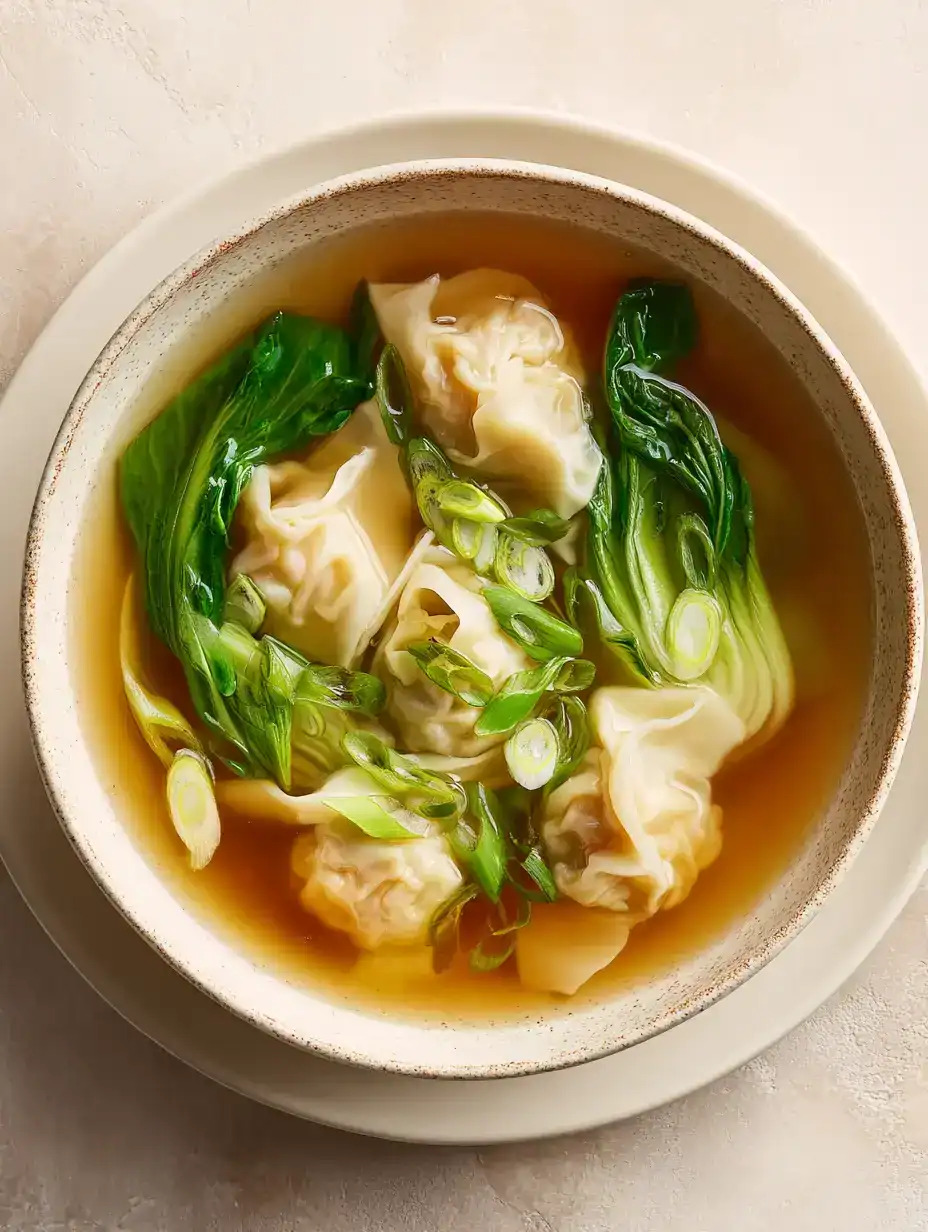
There’s an undeniable magic to a truly great bowl of wonton soup. It’s that perfect balance of delicate, juicy wontons floating in a crystal-clear, aromatic broth – a dish that whispers comfort and sophistication in equal measure. While many believe such culinary artistry is reserved for the bustling kitchens of a beloved Chinese restaurant, we're here to reveal a delightful secret: you can achieve this exact level of excellence right in your own kitchen. Mastering authentic
homemade Chinese wonton soup is not only achievable but deeply rewarding, transforming a simple meal into an exquisite dining experience.
This guide will demystify the process, showing you how small, intentional choices – from selecting your broth base to seasoning your filling – can elevate your wonton soup from good to truly extraordinary. Prepare to create a bowl that delights the senses, from the clean, gingery steam rising from the bowl to the silk-thin wrapper giving way to a savory, tender filling.
What Defines Authentic Homemade Chinese Wonton Soup?
Before diving into the "how," it's crucial to understand the "what." Authentic wonton soup is more than just dumplings in hot water; it's a symphony of subtle flavors and textures, with clarity and balance as its guiding principles. Unlike heavier noodle soups, which often feature opaque, robust broths, classic wonton soup celebrates lightness and precision.
The cornerstone is a **clear, aromatic broth** that enhances rather than overpowers. This means a broth where the natural umami from a well-prepared base, fresh ginger, garlic, and sometimes shiitake mushrooms can shine through, unclouded by excessive richness or sediment. The broth should offer a clean, savory taste with a bright, warming note from ginger and the subtle sweetness of gently simmered garlic.
Then there are the wontons themselves. These are not merely vessels for filling; they are an integral part of the textural experience. Traditional wontons feature **silk-thin wrappers** that become tender and almost translucent when cooked, giving way to a **juicy, well-seasoned filling**, typically a blend of pork and shrimp. The contrast between the delicate wrapper and the savory filling, all suspended in the pristine broth, is what makes each spoonful so satisfying. It’s a dish designed to be light yet deeply comforting, a testament to the elegant simplicity of traditional Chinese cuisine.
Crafting the Pristine Broth: The Soul of Your Soup
The broth is arguably the most critical component of authentic
homemade Chinese wonton soup. Its clarity and flavor profile dictate the entire experience. Achieving that restaurant-quality, clear broth is less daunting than it seems, requiring attention to a few key details.
We recommend starting with a high-quality, **low-sodium chicken broth** as your foundation. Why low-sodium? Because it gives you complete control over the final seasoning. You can then build layers of flavor without worrying about an overly salty base once soy sauce and other seasonings are introduced.
Here's how to infuse it with unparalleled depth and aroma:
*
Fresh Ginger: This is a non-negotiable. Slices of fresh ginger bring a distinctive sharp, warming note that lifts the entire broth, creating that iconic aromatic steam.
*
Garlic: Whole or gently crushed garlic cloves, simmered rather than aggressively boiled, contribute a subtle sweetness and roundness to the broth.
*
Shiitake Mushrooms: These dried or fresh fungi are umami powerhouses. Their natural glutamates significantly boost the savory profile of the broth in a way that common button mushrooms simply cannot replicate. They contribute a depth that makes the soup taste richer without adding any heaviness.
*
Scallion Whites: Adding the white parts of scallions during simmering contributes another layer of fresh, allium aroma.
To ensure your broth remains beautifully clear, here are some pro tips:
1.
Gentle Simmering: Never boil your broth vigorously. A gentle simmer is all that’s needed to extract flavors without emulsifying fats or breaking down solids into cloudy particles.
2.
Skimming: As the broth simmers, use a ladle or spoon to periodically skim off any foam or impurities that rise to the surface.
3.
Fine-Mesh Straining: Before serving, strain the finished broth through a fine-mesh sieve (or even cheesecloth) to catch any stray bits of aromatics or sediment. This step is crucial for that polished, crystal-clear appearance.
For a deeper dive into perfecting your broth, explore resources like
Achieve Clear Broth Wonton Soup: Authentic Recipe Guide.
The Delicate Dance of Wontons: Filling, Folding, and Flavor
The wontons themselves are the star of the show, and making them with precision ensures that classic restaurant-quality taste and texture. Whether you opt for homemade wontons from scratch or choose a quality frozen variety, attention to detail is key.
*
The Filling: A classic authentic filling is a delicious blend of seasoned pork and shrimp. The pork provides richness and body, while the shrimp offers a delicate sweetness and springy texture. Essential seasonings include light soy sauce, a touch of sesame oil, white pepper, and sometimes a hint of sugar to balance the flavors. Finely chopped water chestnuts or bamboo shoots can add a delightful crunch, but for traditionalists, a smooth, juicy filling is preferred.
*
The Wrappers: Look for thin, square wonton wrappers. The thinner, the better, as they will cook quickly and achieve that translucent, silky texture that melts in your mouth. Avoid overly thick wrappers, which can become gummy.
*
Folding Technique: While there are many ways to fold a wonton, the goal is always the same: to create a well-sealed package that holds its filling during cooking and offers a pleasant visual appeal. Simple folds, like the classic "ingot" shape or a simple triangle with corners brought together, are perfectly authentic and easy to master. Don't worry about perfection; consistency is more important.
*
Homemade vs. Frozen: Making wontons from scratch is incredibly satisfying and gives you ultimate control over the filling. However, using high-quality frozen wontons is a perfectly acceptable shortcut for busy home cooks aiming for delicious
homemade Chinese wonton soup. Just be mindful that frozen wontons can release a bit of starch and juices into the broth, which might slightly cloud it if cooked directly within the broth.
Expert Tip for Clarity: To maintain the pristine clarity of your broth, consider boiling your wontons in a separate pot of water. Once cooked through, gently transfer them directly into individual serving bowls and then ladle the hot, clear broth over them. This technique prevents any starch or impurities from the wontons from entering and clouding your carefully prepared broth.
Assembling Your Masterpiece: Ingredients and Harmony
Beyond the broth and wontons, a few additional ingredients contribute to the overall balance and visual appeal of authentic wonton soup:
*
Baby Bok Choy: Its crisp stems and tender green leaves add a wonderful textural contrast and a touch of fresh, vibrant color, preventing the soup from feeling too rich or monochromatic.
*
Soy Sauce: Used in the broth (and potentially the wonton filling), it provides the essential salty and umami depth. Again, start with low-sodium to control the flavor.
*
Sesame Oil: A drizzle of toasted sesame oil at the very end, just before serving, adds a distinctive nutty aroma that is characteristic of Chinese cuisine. It’s a finishing touch, not a cooking oil, used sparingly to impart fragrance rather than richness.
*
Fresh Scallions (Garnish): Finely sliced green parts of scallions offer a final burst of freshness, a subtle oniony bite, and a pop of bright color when sprinkled over the finished soup.
The key to a truly restaurant-quality bowl is the harmonious interplay of these components. Each ingredient plays a specific role, contributing to a balanced profile where no single flavor dominates, allowing the entire dish to shine.
Achieving Restaurant-Quality at Home: Expert Tips
Transforming your kitchen into a haven for authentic
homemade Chinese wonton soup involves embracing a few key techniques and principles:
*
Seasoning Incrementally: When it comes to the broth, taste and adjust. Start with less soy sauce and salt, then add small amounts until the flavor is perfectly balanced. Remember, you can always add more, but you can't take it away.
*
Don't Overcook Wontons: Wontons cook quickly, usually within 3-5 minutes depending on their size and whether they are fresh or frozen. Overcooked wontons become mushy, losing their delicate texture. They are done when they float to the surface and are tender yet still have a slight "spring" to them.
*
Freshness Matters: The impact of fresh ginger, garlic, and scallions cannot be overstated. They contribute vibrant aromas and flavors that dried or pre-chopped alternatives simply can't match.
*
Serving Temperature: Wonton soup is best served piping hot. Have your bowls ready, perhaps even warmed, to maintain the temperature of the delicate broth.
*
Consider Your Audience: While this guide focuses on authenticity, you can always adjust spice levels (with a dash of white pepper or chili oil) or add other vegetables (like snow peas or a sprinkle of cilantro) to suit your personal preferences.
* For more practical advice and a step-by-step recipe, consider consulting guides like
Easy Chinese Wonton Soup with Clear Broth & Juicy Wontons.
Conclusion
Crafting authentic
homemade Chinese wonton soup that rivals your favorite restaurant is a truly rewarding culinary journey. It's about respecting traditional techniques, understanding the role of each ingredient, and appreciating the delicate balance that defines this classic dish. From the careful simmering of a crystal-clear, aromatic broth to the meticulous preparation of tender, juicy wontons, every step contributes to an experience of pure comfort and sophisticated flavor. So, gather your ingredients, take your time, and prepare to impress yourself and your loved ones with a bowl of homemade wonton soup that tastes like a treasured secret, passed down through generations. Your journey to restaurant-quality wonton soup starts now.