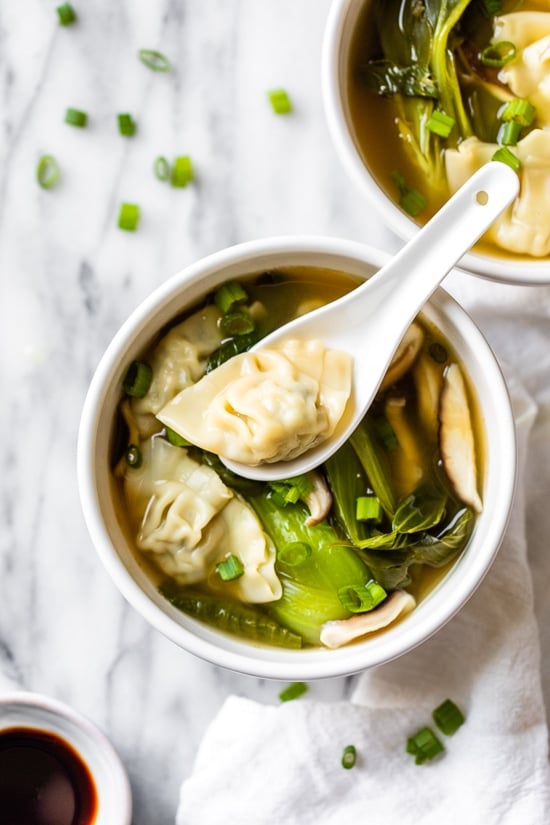
Savor the Simplicity: Your Guide to Easy Homemade Chinese Wonton Soup
There’s something uniquely comforting about a bowl of authentic Chinese wonton soup – the delicate, juicy dumplings, the crisp texture of fresh greens, and most importantly, a clear, aromatic broth that sings with flavor. While often perceived as a restaurant specialty, mastering Authentic Homemade Wonton Soup: Restaurant Quality at Home is entirely achievable in your own kitchen. This comprehensive guide will walk you through creating a truly restaurant-quality experience, focusing on a crystal-clear broth and perfectly juicy wontons that embody the essence of traditional Chinese comfort food. Forget heavy, murky soups; we’re aiming for a light yet deeply satisfying meal that balances nuanced flavors with a refreshing clarity. For many home cooks, the idea of making authentic wonton soup from scratch might seem daunting. However, with a few key techniques and a focus on quality ingredients, you can consistently achieve results that rival your favorite Chinese eateries. I’ve personally experimented with countless broth ratios, wonton fillings, and cooking methods to uncover the secrets to a truly exceptional bowl. This recipe distills those learnings into an easy-to-follow process, ensuring every spoonful delivers depth without heaviness, leaving you with a warm, satisfying glow.What Makes a Great Homemade Chinese Wonton Soup Truly Special?
At its heart, a great homemade Chinese wonton soup is about balance and clarity. Unlike richer, heartier noodle soups, wonton soup celebrates the interplay of subtle flavors and textures. It's a culinary ballet where each element plays a crucial, understated role:- The Broth: This is the soul of the soup. It should be clear, clean-tasting, and fragrant, allowing the natural umami from its base ingredients to shine without being clouded by excess starch or fat. A good broth offers a gentle warmth from ginger and garlic, a subtle savoriness, and a whisper of nutty sesame.
- The Wontons: These delicate parcels are the stars. Thin, silken wrappers should give way to a tender, juicy filling, typically a harmonious blend of seasoned pork and shrimp. The goal is a filling that’s moist and flavorful, not dry or tough.
- Aromatics & Vegetables: Fresh ginger, garlic, and scallions lay the aromatic foundation. Ingredients like shiitake mushrooms add a significant depth of umami, while crisp baby bok choy provides a refreshing counterpoint, adding texture and vibrant color without making the soup heavy.
Crafting the Perfect Clear Broth: The Heart of Your Wonton Soup
Achieving that pristine, aromatic, and clear broth in your homemade Chinese wonton soup is less about complexity and more about technique and patience. The broth sets the stage for the entire dish, and a murky, dull broth can easily overpower the delicate wontons.Here’s how to build a clear, flavorful foundation:
- Start with a Quality Base: A low-sodium chicken broth is an excellent starting point. Using a lower-sodium option gives you precise control over the final seasoning once soy sauce and other ingredients are added. While a truly homemade bone broth (made by blanching bones first and simmering gently) offers unparalleled depth, a good quality store-bought broth allows for an easier, quicker preparation without sacrificing much flavor.
- Infuse with Aromatics: Fresh ginger and garlic are non-negotiables. Ginger provides a sharp, warming note that lifts the entire broth, while garlic adds a rounded sweetness when simmered gently. Avoid aggressively boiling the aromatics; a gentle simmer extracts their essence without making the broth bitter or cloudy. Sliced scallions (white parts) can also be added for an initial infusion of freshness.
- Umami Boosters: Dried or fresh shiitake mushrooms are an incredible addition. Their natural glutamates contribute a deep, savory umami that simply cannot be replicated by button or cremini mushrooms. If using dried, reconstitute them first and add the soaking liquid (strained) to the broth for an extra layer of flavor.
- The Secret to Clarity: The key to a truly clear broth lies in gentle simmering and careful straining. Once all your aromatics and broth base are combined, bring it to a very gentle simmer. Avoid a rolling boil, which can emulsify fats and solids, making the broth cloudy. After simmering for at least 20-30 minutes (or longer for deeper flavor), strain the broth through a fine-mesh sieve, optionally lined with cheesecloth, to remove all solids. This step is critical for a sparkling clear finish.
- Seasoning: Keep it simple and balanced. A good quality light soy sauce adds savory depth and salt. A tiny dash of sesame oil at the very end enhances the aroma without making the broth greasy. Taste and adjust as you go. Remember, you can always add more, but you can’t take it away!
For more detailed insights on achieving optimal clarity, be sure to check out our guide on Achieve Clear Broth Wonton Soup: Authentic Recipe Guide.
Mastering the Wontons: Filling, Folding, and Cooking Tips
While the broth is the soul, the wontons are undoubtedly the heart of your homemade Chinese wonton soup. The balance of a juicy filling and delicate wrapper is what elevates this dish.The Filling: Juicy & Flavorful
A classic wonton filling typically combines ground pork and shrimp, creating a wonderful texture and flavor profile. Here’s what makes it juicy and delicious:
- Pork: Use ground pork with a decent fat content (around 20-30%) for juiciness. Lean pork can result in dry wontons.
- Shrimp: Finely minced shrimp adds sweetness and a springy texture. You can leave some shrimp pieces slightly larger for textural contrast.
- Seasoning: A simple mix of grated fresh ginger, a touch of light soy sauce, sesame oil, white pepper, and a pinch of sugar (to balance flavors) works wonders. Some recipes also include finely chopped water chestnuts or bamboo shoots for crunch, or even chives for a fresh, oniony note. Don't overmix the filling, as this can make the pork tough.
The Wrappers: Delicate & Pliable
Wonton wrappers are thin, square sheets of dough, usually made from wheat flour, egg, and water. Look for fresh, pliable wrappers in the refrigerated section of Asian grocery stores. The thinner the wrapper, the more delicate your wonton will be, allowing the filling to shine.
Folding Techniques (Simple & Sweet)
While there are many elaborate wonton folds, a simple, secure fold is all you need for delicious soup wontons. The most common method involves placing a small amount of filling in the center of the wrapper, moistening the edges with water, and then folding it into a triangle, pressing out air. Then, you can bring the two bottom corners of the triangle together and pinch them to create a classic "goldfish tail" shape. Practice makes perfect, but even a simple sealed triangle will taste incredible!
Cooking Wontons for Clear Broth
Here’s a crucial tip from many culinary experts and traditional Chinese kitchens: cook your wontons in a separate pot of boiling water, then transfer them to your hot, clear broth.
Why this extra step? Wontons, especially when fresh, release a small amount of starch and sometimes a tiny bit of filling as they cook. Boiling them directly in your delicate broth would make it cloudy. Cooking them separately ensures your carefully prepared clear broth remains pristine. Once cooked (they'll float to the surface and be tender, about 3-4 minutes for fresh wontons, longer for frozen), simply scoop them out with a slotted spoon and add them to individual bowls of hot broth.
If using frozen wontons for convenience, there's no need to thaw them. Cook them directly from frozen in boiling water until they float and are tender. Their role goes beyond speed; they also release a small amount of starch and filling juices that can lightly enrich the broth without turning it cloudy, especially if added after boiling them separately.
Assembling Your Restaurant-Quality Bowl
Now that you have your perfectly clear broth and expertly cooked wontons, it’s time to bring it all together for a stunning and delicious serving of homemade Chinese wonton soup.- The Greens: Quick-cooking vegetables like baby bok choy or gai lan (Chinese broccoli) add freshness, a subtle bitterness, and vibrant color. Briefly blanch them in the same water you used for the wontons, or directly in the hot broth for a minute or two until just tender-crisp. They provide a lovely textural contrast to the soft wontons.
- Garnishes: Freshly chopped scallions (green parts) are essential for a bright, oniony finish. A drizzle of additional sesame oil, a dash of white pepper, and a sprinkle of cilantro or even a few drops of chili oil (for those who like a kick) complete the dish.
- Serving: Ladle the hot wontons and blanched greens into individual serving bowls. Pour the steaming, clear broth over them. Garnish generously. The steam rising from the bowl, carrying the scent of ginger and savory broth, is as much a part of the experience as the first delicious bite.
